MARCOM Resources System (MaRS)
Before MaRS, employees assembled proposals using a mix of SharePoint sites, server folders, and institutional knowledge. Finding the right templates, project write-ups, resumes, boilerplate content, and branded assets often meant searching multiple locations or asking the MARCOM team for help. That created inconsistent proposal quality, weak version control, duplicated effort, and an ongoing reliance on manual support for routine tasks.
The Opportunity
The challenge was not simply to consolidate files. The organization needed a self-service system that could help teams build stronger, more consistent proposals while creating clearer ownership, better searchability, and a sustainable foundation for future growth.
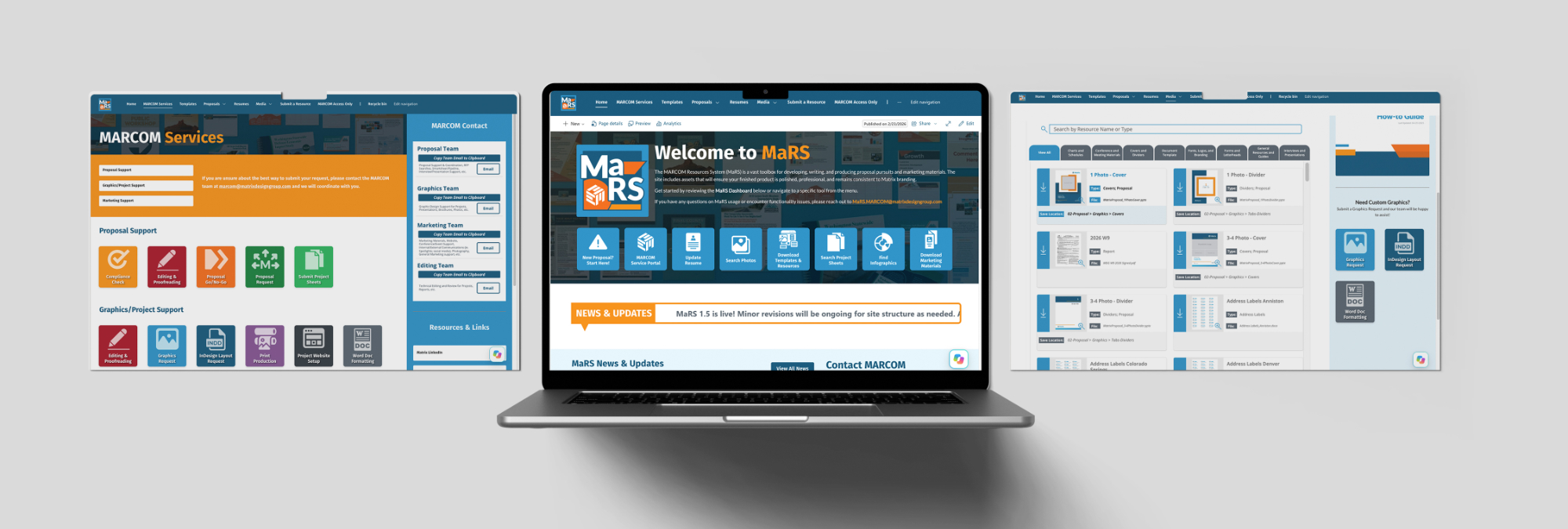
In partnership with the MARCOM team, I designed and developed MaRS as a searchable knowledge-management platform within the Microsoft Power Platform ecosystem.
The Solution
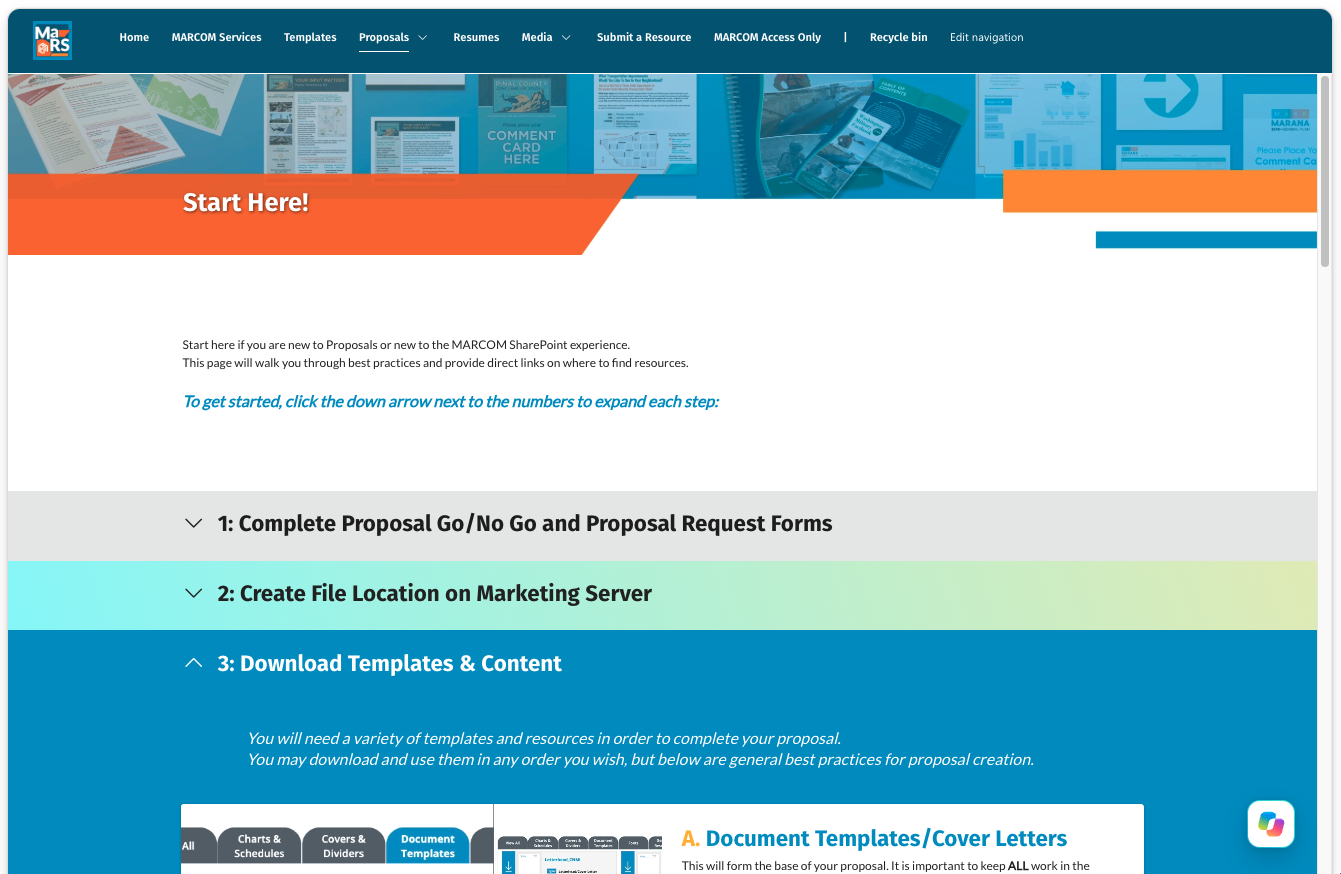
MaRS replaced fragmented folder-based workflows with a centralized, structured platform for approved proposal resources.
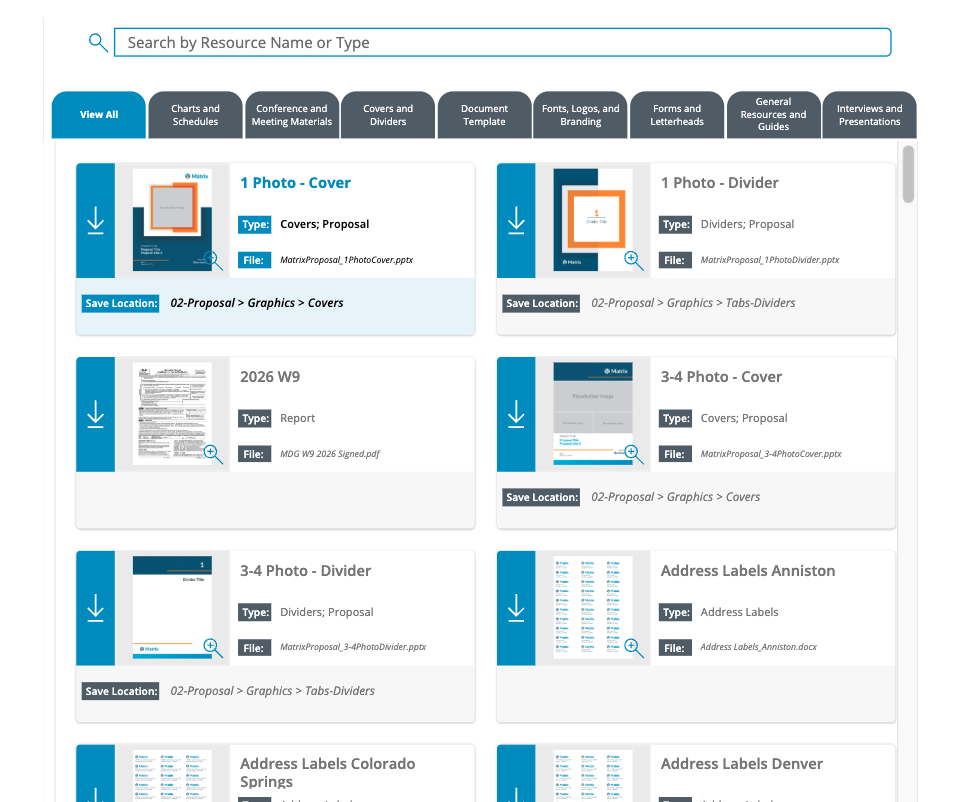
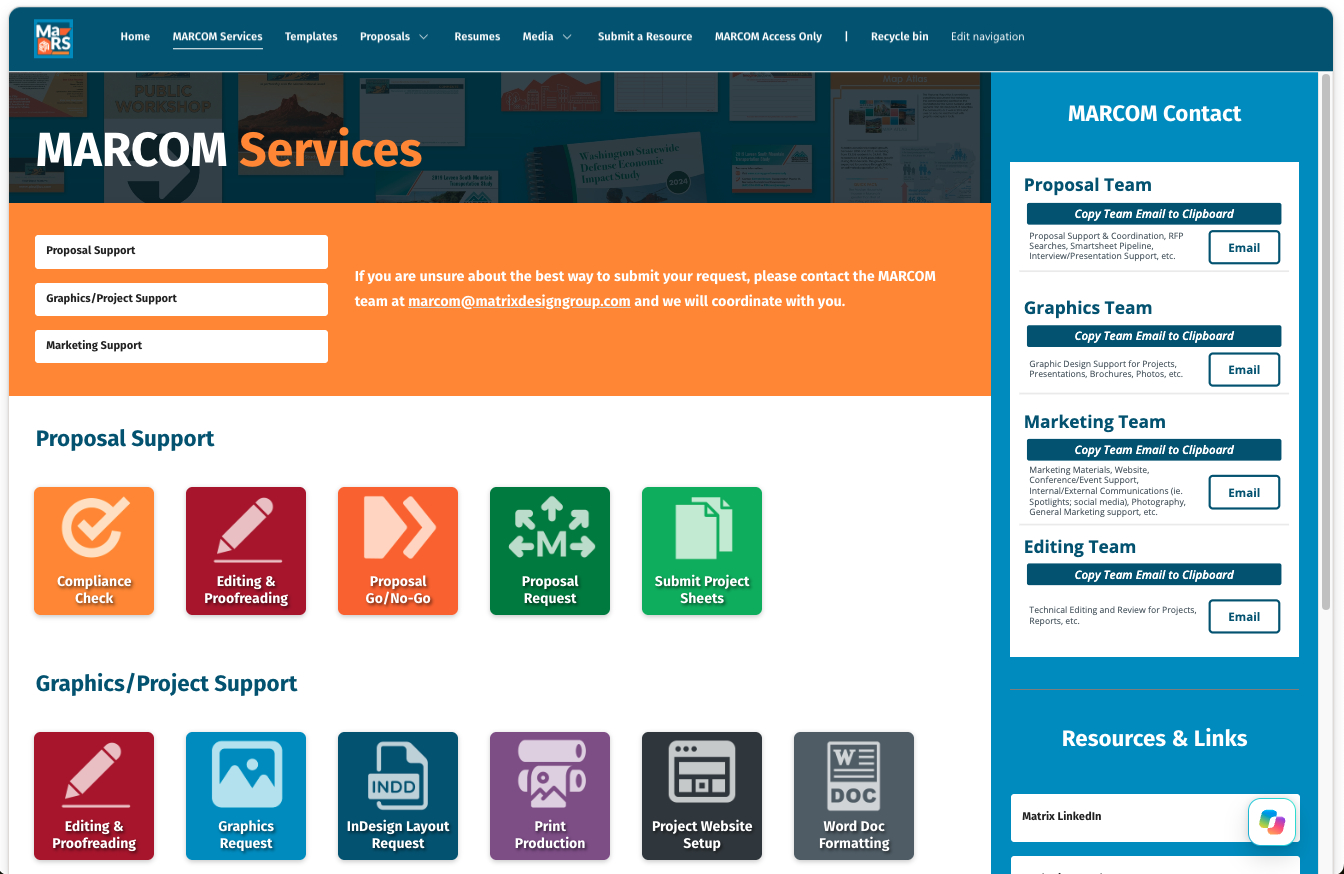
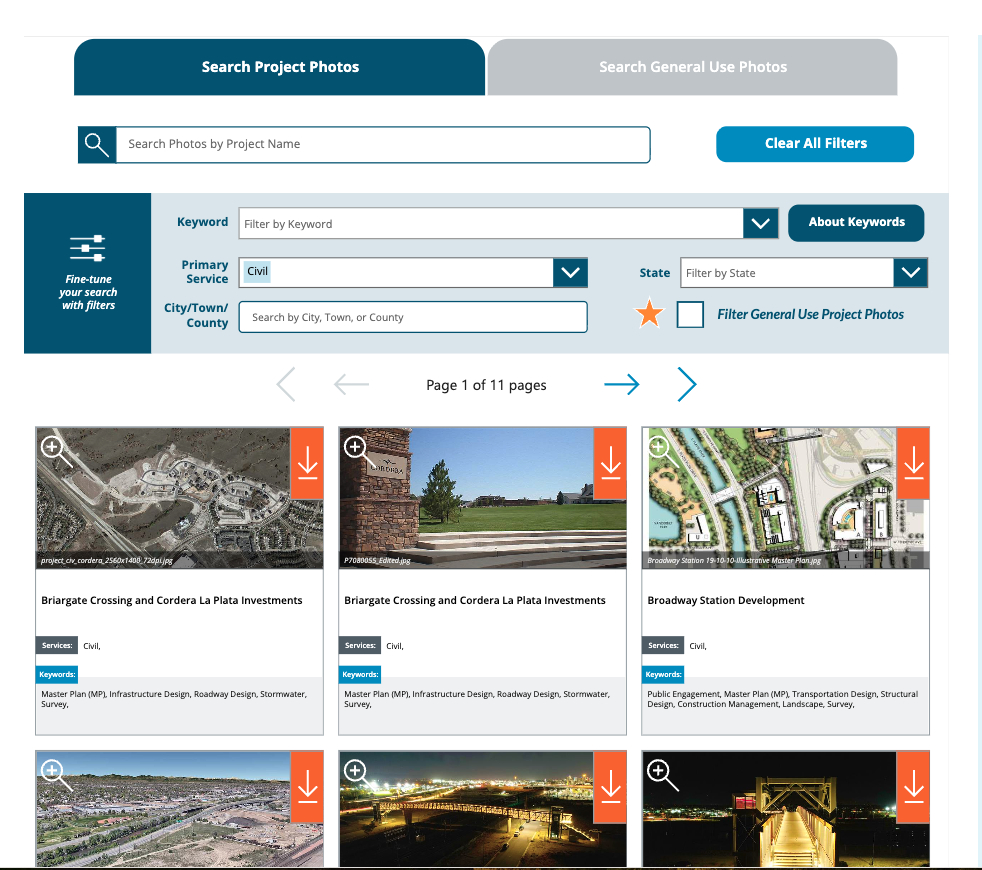
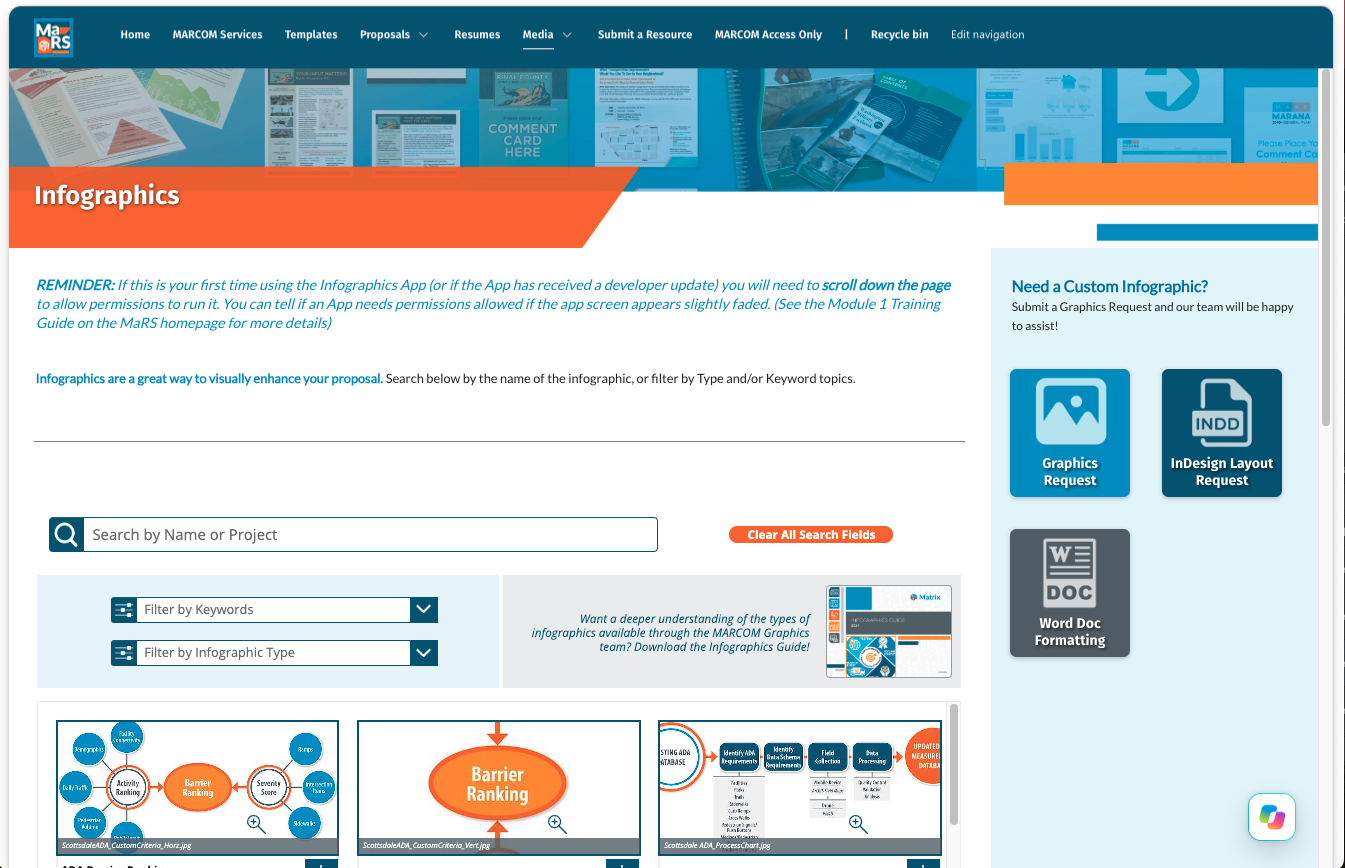
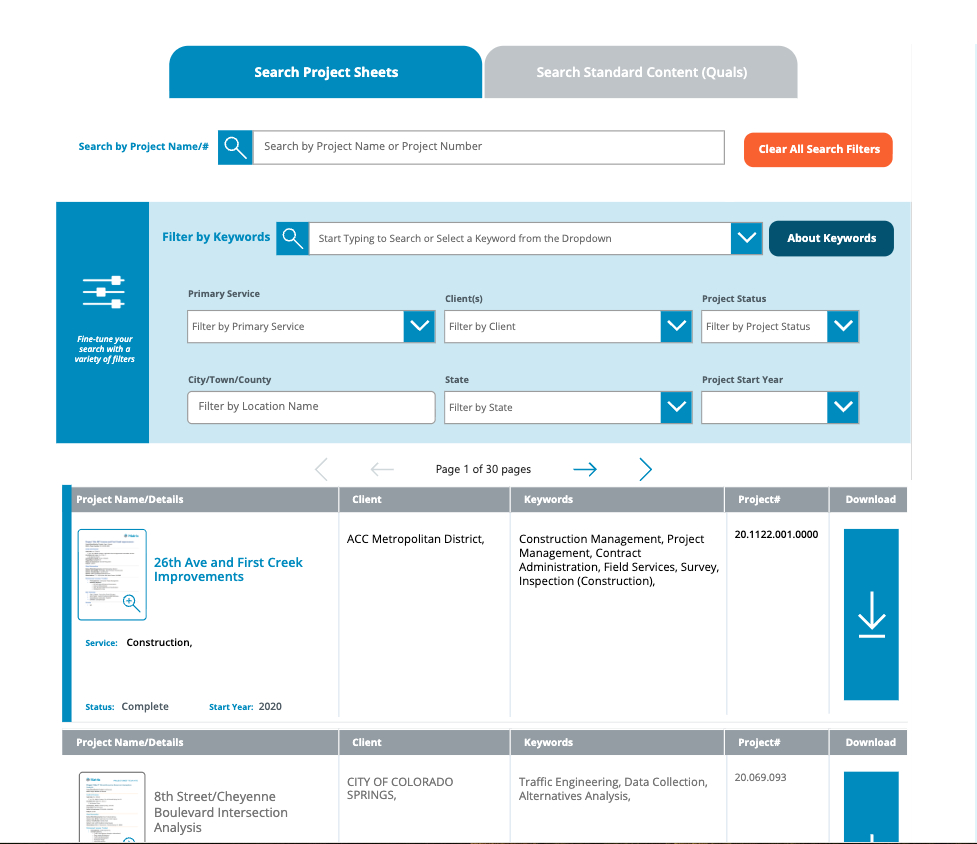
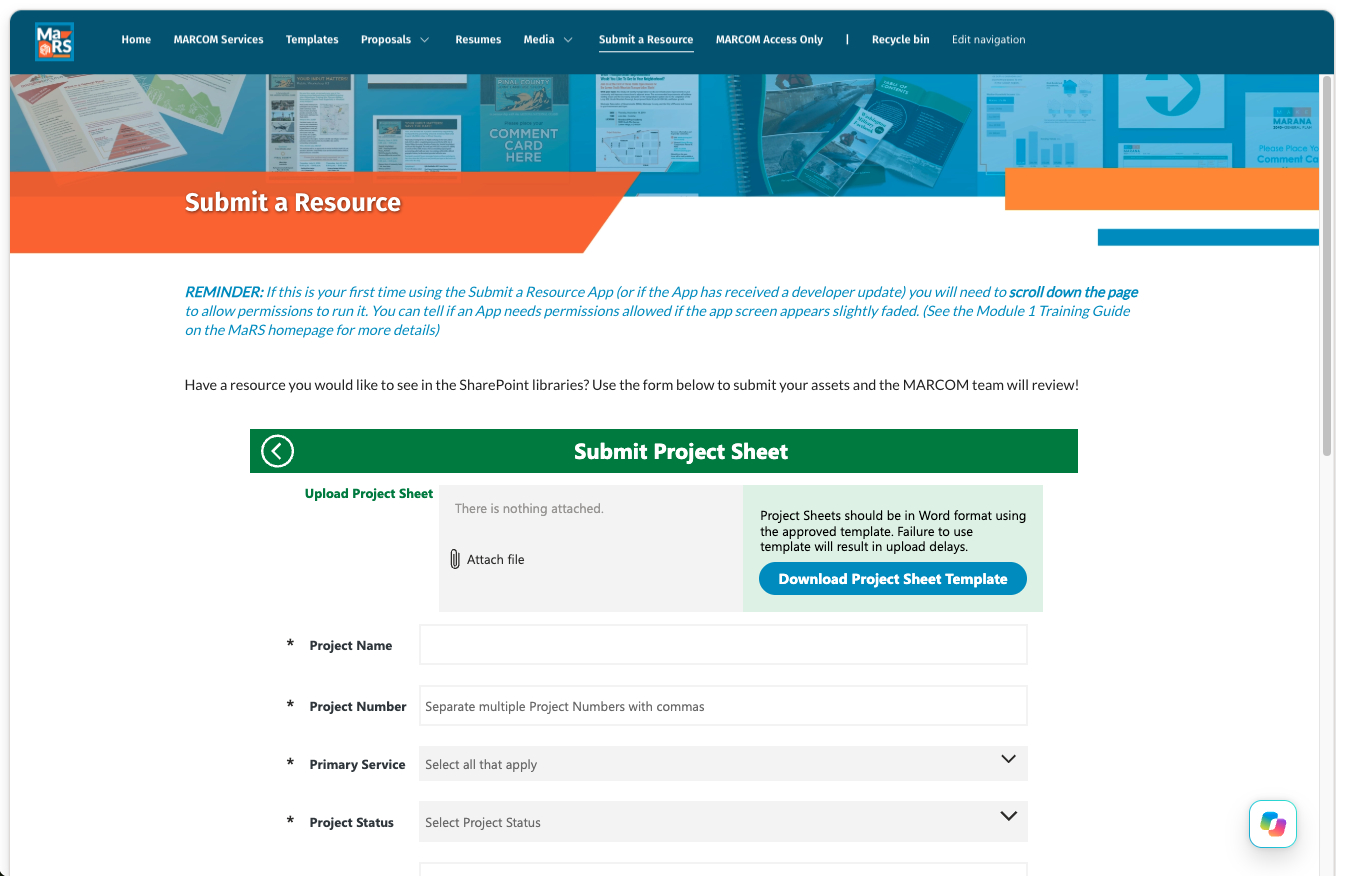
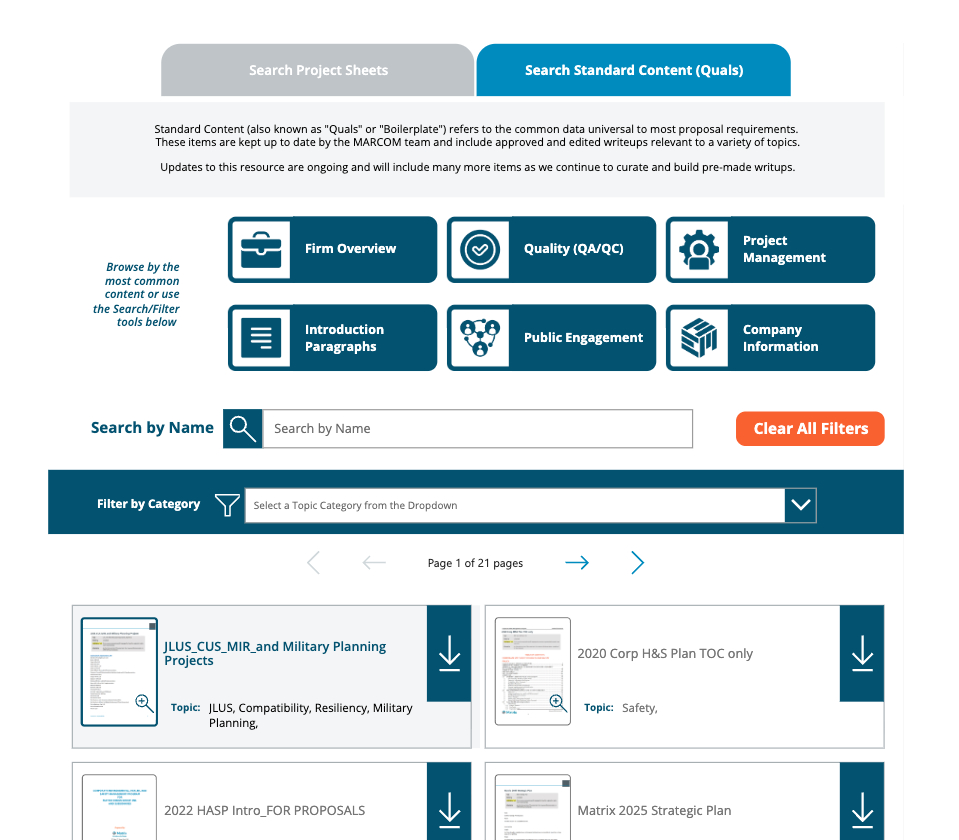
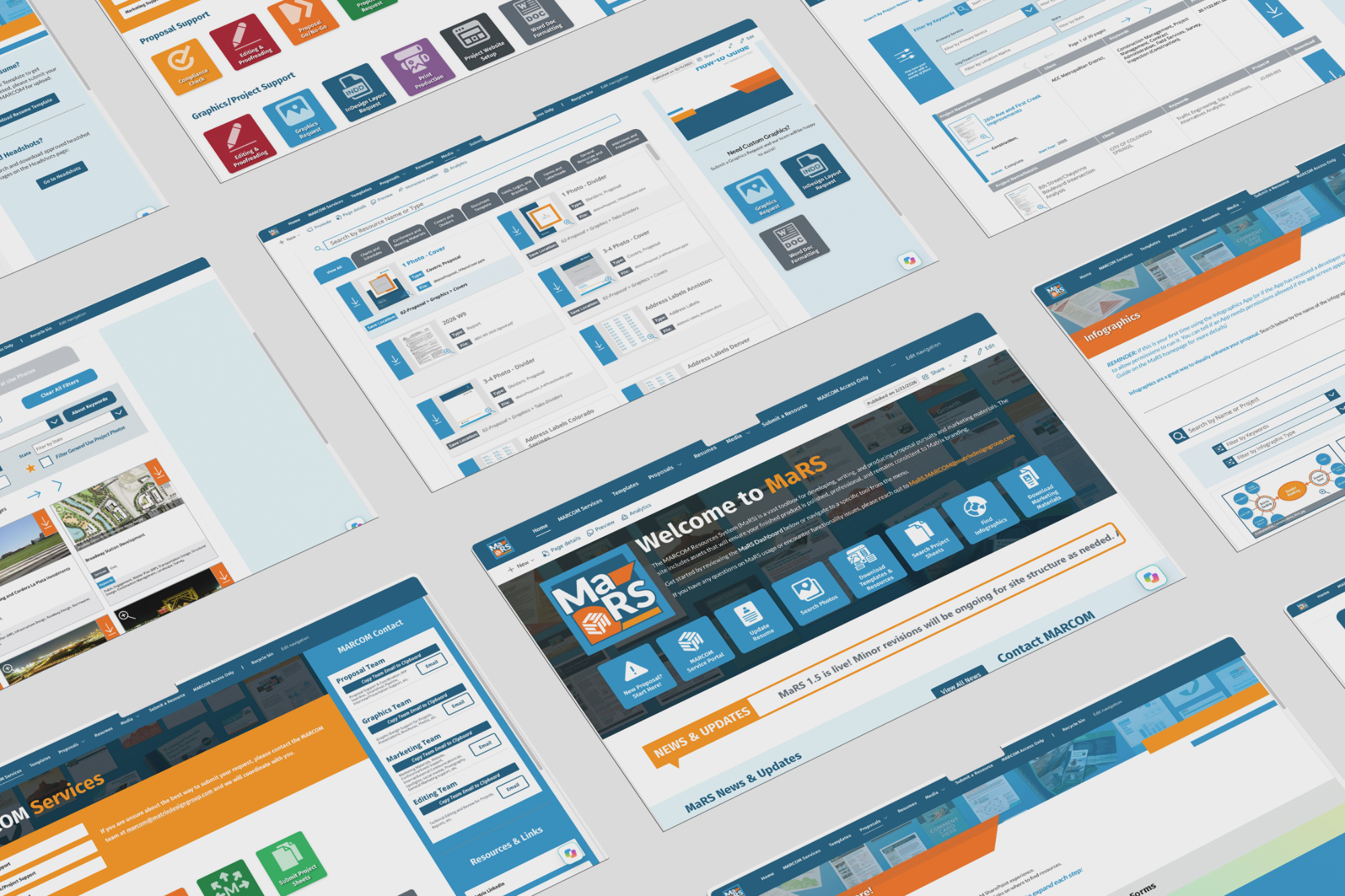
Built on a scalable SharePoint architecture and integrated with 8 custom Power Apps, the system brought branded templates, project write-ups, employee resumes, boilerplate content, and curated assets into one searchable interface. Employees could find and assemble the resources they needed independently, reducing training overhead and limiting repetitive requests to MARCOM.
The experience used clear navigation, filtering, search, and standardized metadata to make large resource libraries more usable. A unified keyword taxonomy, developed through cross-functional workshops, improved search accuracy and created a shared language for organizing content across teams.
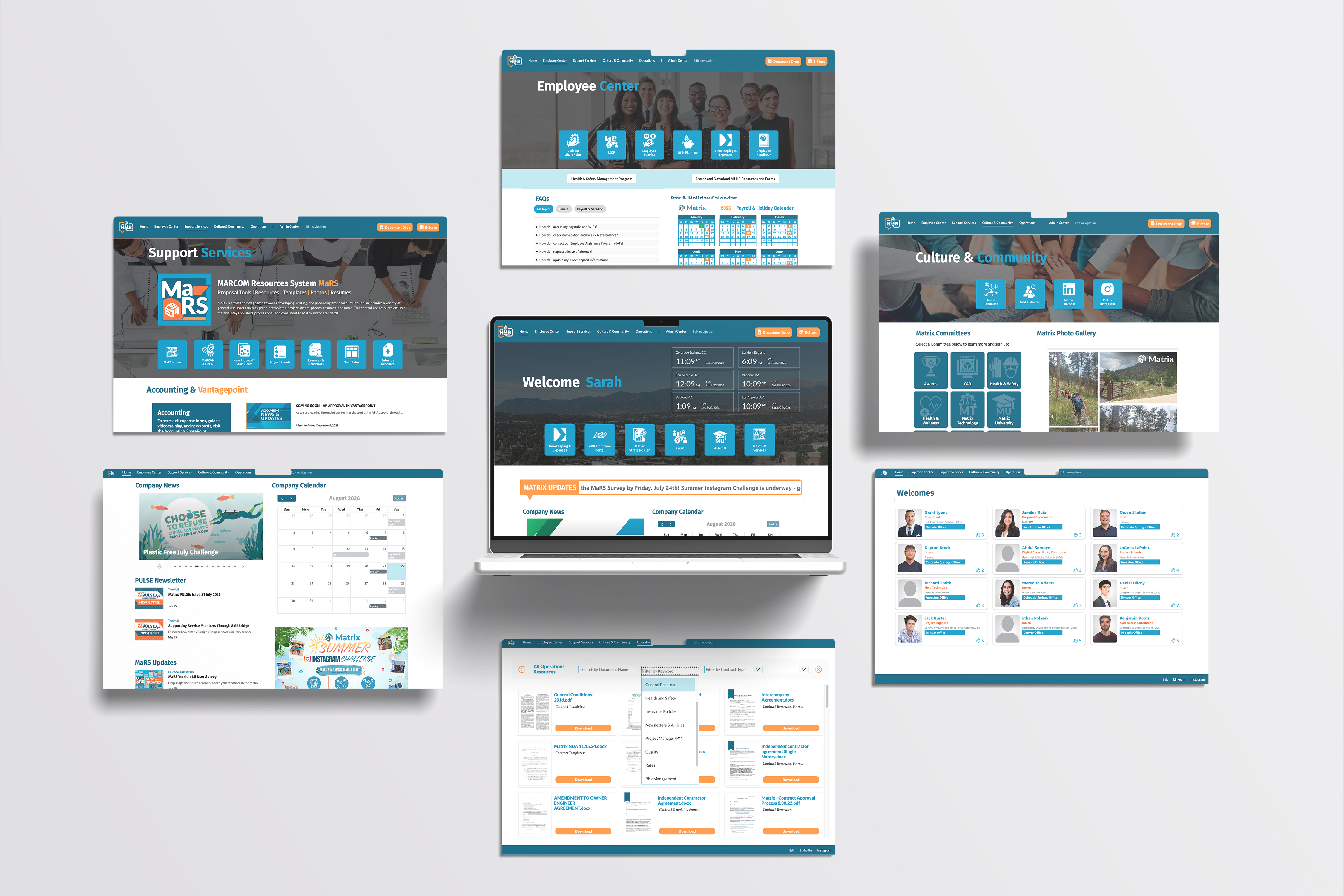
Supporting visual materials, onboarding resources, and launch communications helped introduce the system, explain its value, and build awareness across the organization.
Designing for Adoption and Sustainability
The build balanced future scalability with practical ownership by the people who would maintain it.
SharePoint over Dataverse
SharePoint was selected as the backend because MARCOM teams were already familiar with its structure and could maintain content without additional training. Dataverse offered stronger long-term structure and scalability, but SharePoint was the more accessible solution for immediate adoption and day-to-day operational ownership.
Canvas Apps over model-driven apps
Canvas Apps provided the flexibility needed for a tailored interface, advanced filtering, and search. They also supported custom logic that could dynamically adjust available actions, such as previewing or downloading a resource, based on the file type.
Lightweight automation
Most application logic was kept within the apps themselves to reduce complexity and maintenance overhead. Power Automate was used selectively for content-change notifications, including updates and deletions, so the right teams could respond without creating an unnecessarily flow-heavy system.
MVP-first development
MaRS was designed as a minimum viable product using a simplified SharePoint structure with a clear path for iterative expansion. Future development can build toward a more robust SharePoint List architecture or a Dataverse-backed solution as organizational needs and content volume grow.
Launch and Iteration
The platform was built to improve immediately useful proposal workflows while leaving room for ongoing refinement. Stakeholder workshops informed the initial experience by identifying recurring bottlenecks, resource needs, and the metadata standards required to make content easier to retrieve.
The resulting structure established a foundation for continued development, stronger governance, and future database-driven expansion.
Result
MaRS turned scattered proposal resources into a centralized, self-service brand-governance platform. It gave employees faster access to approved materials, reduced dependence on manual MARCOM support, improved consistency across proposals, and protected knowledge that might otherwise disappear with staff turnover.